 Glentoran Hub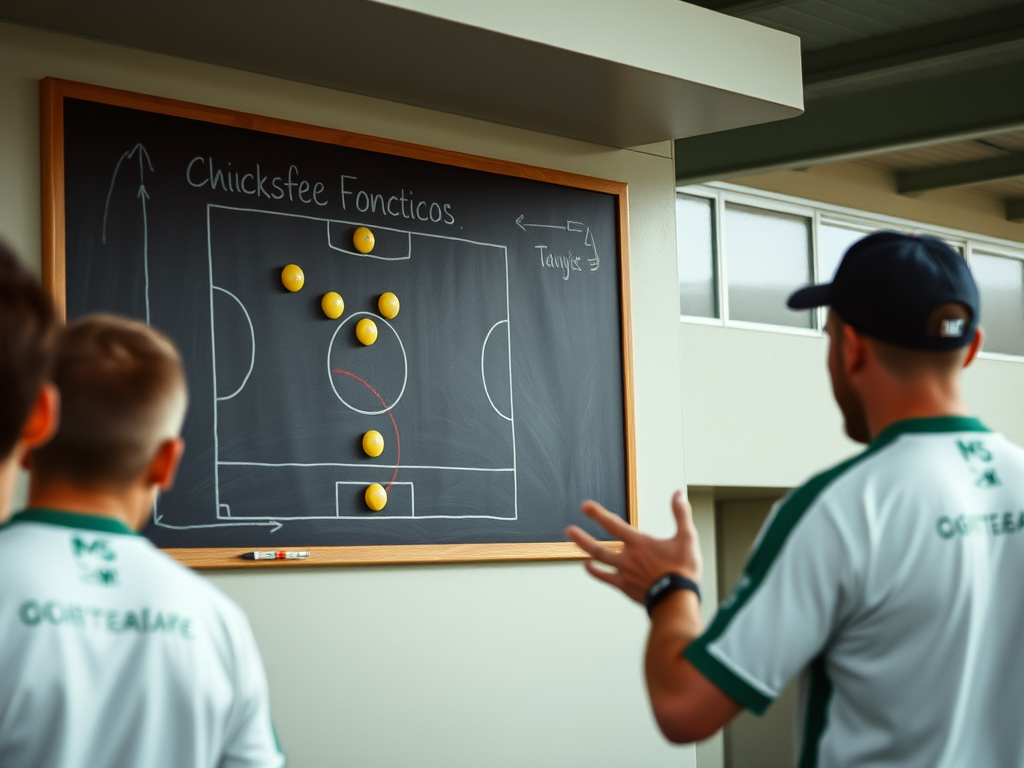
Adjusting the Formation: Tactical Tweaks for Glentoran's Revival
As Glentoran continues to battle through the Northern Ireland Premiership, recent performances have shown both promise and areas needing improvement. The Glens have displayed flashes of brilliance, but consistency remains elusive. With a deep squad and a wealth of talent at their disposal, tactical adjustments could be the key to unlocking their full potential.
Formation Flexibility
Currently, Glentoran predominantly employs a 4-2-3-1 formation, which allows for solid defensive organization while providing options in attack. However, recent matches have revealed a tendency to become predictable, particularly when facing teams that are adept at absorbing pressure. A potential tweak could involve transitioning to a more fluid 4-3-3 formation during matches, allowing for greater width and facilitating quick transitions from defense to attack. This change could exploit the pace of wingers while maintaining the solidity in midfield, offering a more dynamic approach that could unsettle opponents.
Midfield Dynamics
While R. Clarke has been pivotal in controlling the midfield, the addition of a more advanced playmaker could complement his role. Introducing a player with creative flair who can operate between the lines would provide the attacking midfielders with better service. A tactical shift to include a more offensive-minded midfielder, perhaps in a box-to-box role, could also alleviate some of the creative burden on Clarke, allowing him to focus on disrupting opposition play and facilitating transitions.
Defensive Cohesion
Defensively, the partnership at the back has shown some vulnerabilities, particularly when faced with pacey forwards. Implementing a high defensive line can work well against teams that struggle to break down compact formations. However, it also exposes the defense to counter-attacks. A possible modification would be to adopt a staggered approach to pressing, where the midfielders press high to win the ball back, while the defenders hold their position to provide cover. This dual approach can maintain pressure without leaving gaps for fast breakaways.
Set-Piece Strategy
Set-pieces have become increasingly vital in tight matches, and Glentoran has the aerial prowess to capitalize on these opportunities. Enhancing their set-piece strategy with varied routines could be a game-changer. Employing a mix of short corners and direct deliveries can keep opponents guessing and maximize the chances of scoring from dead-ball situations. Additionally, assigning specific roles for key aerial threats during corners could yield more goals, adding another layer to their attacking arsenal.
Conclusion
As Glentoran prepares for the crucial fixtures ahead, the implementation of these tactical tweaks could provide the spark needed to elevate their performance. By embracing a more fluid formation, enhancing midfield dynamics, solidifying defensive cohesion, and maximizing set-piece opportunities, The Glens can position themselves as strong contenders in the Premiership. The potential changes are not just about tactical adjustments; they are about harnessing the full capabilities of a talented squad and building confidence as they aim for glory at the BetMcLean Oval.