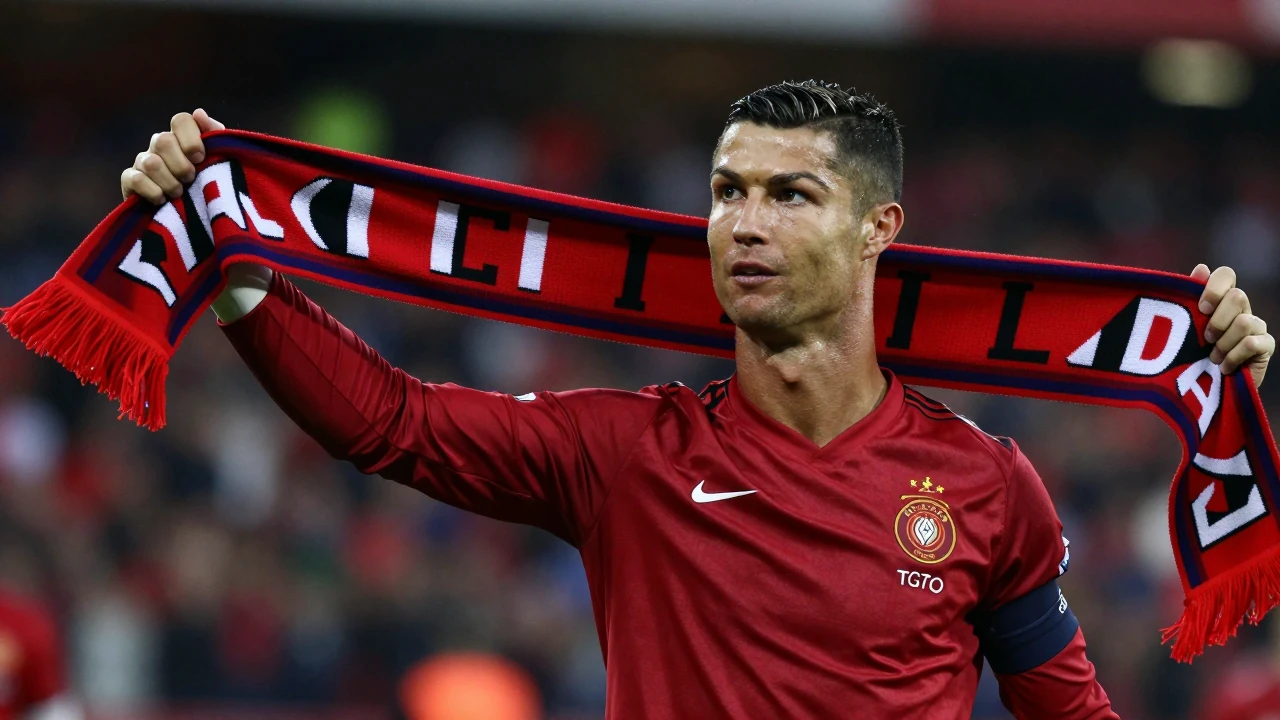

Glentoran's early exit from European competition this season is a symptom of a wider crisis for the Irish Premiership, with Northern Ireland's coefficient ranking under severe threat. The collective failure of clubs like Glentoran, Larne, Linfield, and Coleraine means the league is highly likely to lose its fourth European qualifying spot from the 2028-29 season. This comes as Glentoran itself sits second in the Premiership with 6 points from 3 games, trailing leaders Coleraine by 4 points ahead of their next home fixture against Portadown on December 12th.
The immediate financial impact of this summer's failures is stark. Larne's dramatic play-off defeat to Lincoln Red Imps, where they conceded twice in the final 10 minutes of normal time and a winner in the last minute of extra time while down to 10 men, cost them approximately £2.75 million in group stage participation money. That figure could have risen with positive results. Other Premiership clubs, including Glentoran, would have received a six-figure solidarity payment had Larne qualified, a windfall similar to the over two million shared by the 11 other Irish League clubs when Larne previously reached a group stage.
The potential loss of the fourth spot raises fundamental questions about the structure of the Irish Premiership. Currently, four clubs qualify for Europe: the league winners, runners-up, play-off winners, and Irish Cup victors. If the fourth spot is lost, the Irish Cup winners would enter the UEFA Conference League in the first qualifying round instead of the second. More pressingly, the future of the end-of-season European play-off, which involves teams finishing between third and seventh, is now in doubt. NIFL chief executive Gerard Lawlor suggested that if only three spots are available, the play-off may not take place. "We would need to talk to the clubs about that and have a discussion, but it is probably the most sensible and easy outcome," Lawlor told reporters.
Larne manager Gary Haveron believes scrapping the play-offs would damage the league's competitive integrity. "What is the motivation if you cannot chase down seventh place and a European spot?" Haveron asked, pointing to the many 'dead rubber games' that would occur at the season's end without that incentive. For Glentoran, currently positioned well in the standings, the fight for automatic qualification becomes even more important in a three-spot scenario.
The debate over switching to a summer schedule to better prepare clubs for July qualifiers has resurfaced with force. Gerard Lawlor stated he hopes to discuss the issue with clubs before Christmas, with a potential vote on changing the calendar for the 2028-29 season. However, the issue divides opinion, and the example of the Republic of Ireland's summer league offers no guarantee of success; no team from the south qualified for a European group stage this season either. The timing of qualifiers, when Northern Irish clubs are out of season, is seen as a significant handicap.
While the full implications of the coefficient drop will take years to be felt, the immediate focus for Glentoran is on domestic success to secure European football through league position. The team has started the season strongly, scoring 5 goals and conceding just 2 for a +3 goal difference. Their recent form of WLW shows resilience, and maintaining this momentum is essential. The club's management will also be closely monitoring the NIFL discussions on the play-off and calendar, as the outcomes will directly shape their strategic planning for future seasons. The report concludes that something must change to avoid this cycle of early European exits repeating.